The best question for a visitor who has not purchased is short, neutral, and relevant to what they are considering. Ask about one thing at a time, then clarify only if the answer leaves an important detail unresolved.
A useful starting point is:
“What would make this right for you?”
It allows someone to mention price, size, timing, features, or a concern you did not anticipate.
Why wording matters
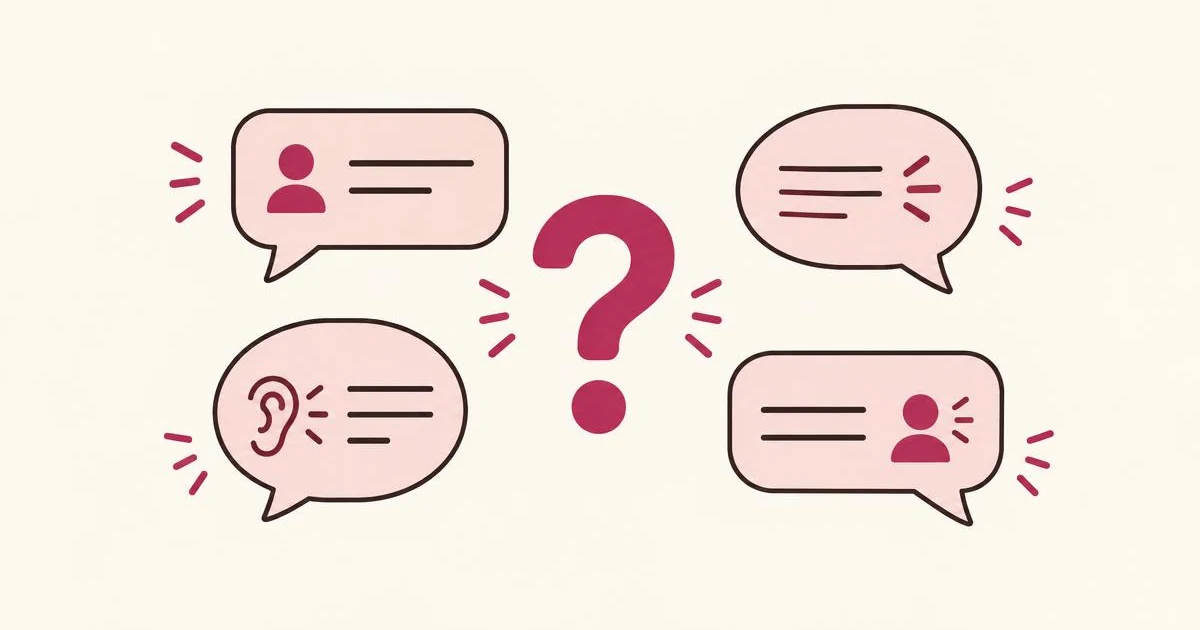
Pew Research Center explains that question wording and answer options can affect responses. It also cautions against questions that ask people to evaluate more than one concept at once.
Those principles come from survey research, but they offer useful guidance for website feedback too.
Source: Pew Research Center, Writing Survey Questions
Compare:
“Would our affordable, flexible membership suit you better with weekend access?”
with:
“Which days would you need access?”
The first introduces praise and suggests a solution. The second asks for a concrete requirement.
Six questions that uncover unmet needs
| Question | Best context |
|---|
| 1. What would make this right for you? | A product or offer page. |
| 2. What were you hoping to find? | Search results or a category page. |
| 3. Which option would suit you better? | Sizes, formats, colours, or packages. |
| 4. What would make this membership a better fit? | Memberships and subscriptions. |
| 5. What capability would you need before considering this? | Software or specialist services. |
| 6. What would make you more likely to attend? | Events, classes, and courses. |
Choose one. Showing all six would turn a simple opportunity to comment into a questionnaire.
Six questions that clarify a specific barrier
| Question | When to ask |
|---|
| 7. What information would help you decide? | The visitor expresses uncertainty. |
| 8. Which days or times would work for you? | Scheduling has been raised. |
| 9. Where would you need this delivered or provided? | Location is the obstacle. |
| 10. What about the pricing doesn’t work for you? | The visitor mentions price. |
| 11. Was anything difficult while trying to buy or book? | Investigating friction. |
| 12. What would need to change for you to reconsider? | Someone explicitly decides against proceeding. |
Avoid asking a pricing question simply because the visitor has not purchased. Price may have nothing to do with their decision.
Use the answer to decide whether to continue
Consider these two exchanges:
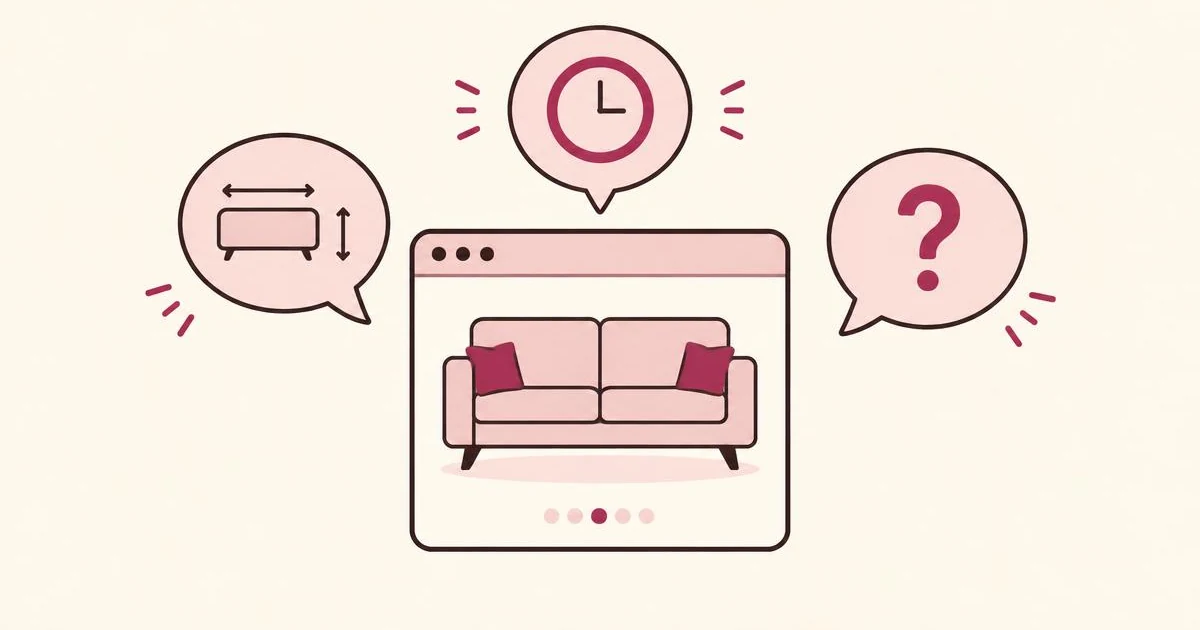
Visitor: “I need something smaller.”
Useful follow-up: “Roughly what width would fit?”
Visitor: “I need something around 180 cm wide.”
Useful next step: Confirm the requirement.
Repeating a question the visitor has already answered signals that their response was not understood.
Likewise, “Make it in red” does not normally require a question about whether colour matters. The requirement is already clear.
Keep suggested answers from narrowing the conversation
Quick-answer buttons can make it easier to begin. However, they also determine which possibilities people see first.
If you offer “Price,” “Size,” and “Delivery,” always preserve an open-text option. Otherwise, an important concern outside those categories may never surface.
When comparing responses over time, record changes to the question and suggested answers. A shift in results may reflect the new wording rather than a change in demand.
Feedback and permission to receive updates are separate decisions.
Once the requirement is understood, ask:
“Would you like us to let you know if this becomes available?”
Explain which business will contact them and what the update concerns. Do not make an email address necessary just to express an opinion unless there is a clear reason.
Frequently asked questions
How many questions should I ask?
For a short purchase-barrier interaction, start with one opening question and, where useful, one clarification. Longer research interviews serve a different purpose.
Should I offer a discount for responding?
A discount changes the interaction and may attract responses motivated by the reward. First test whether visitors will share useful feedback without one.
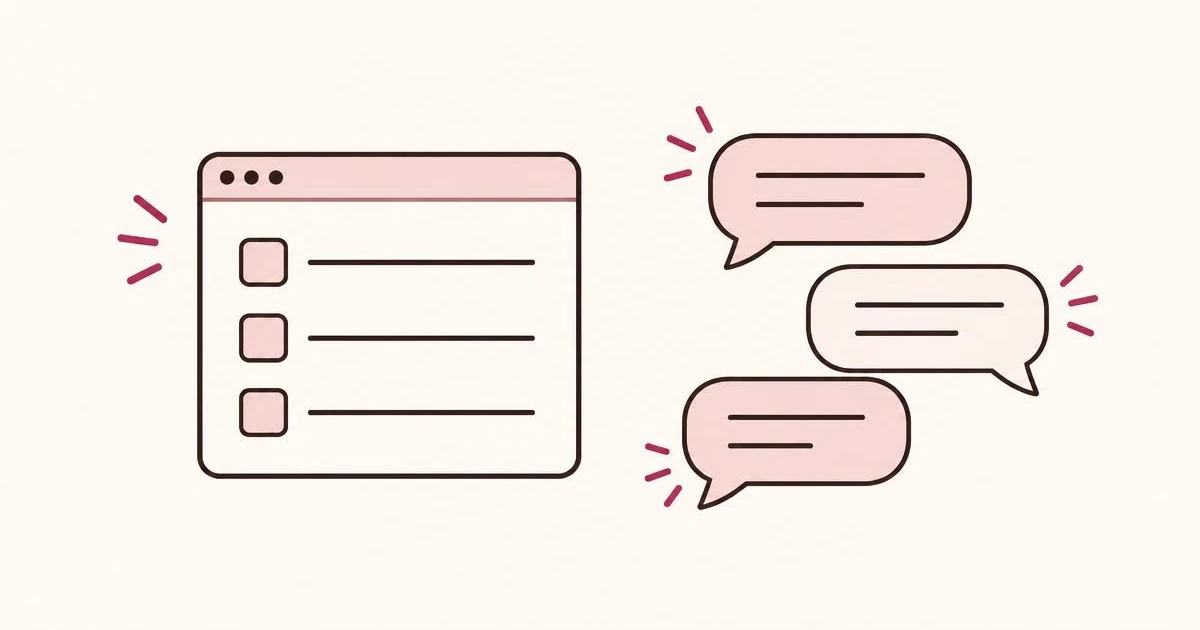
Next: Compare feedback forms and AI conversations.
Try a question in the IfOnly demo and see how the conversation develops.
Research basis: Pew Research Center’s guidance on wording, response options, and questions covering multiple concepts.